
ChemistryBachelor's Degree in Biochemistry
Build a strong foundation in enzyme chemistry, next-gen medicine, biotechnology, and data analysis and thrive in a rapidly evolving scientific workforce.
Bachelor's Degree in Biochemistry
Prepare for High-Impact Careers in Science, Medicine, and Biotechnology with Hands-On Research and Expert Mentors.
Click To Apply
Earn a Bachelor's Degree in Biochemistry
As the biotechnology sector continues to rapidly expand, biochemistry graduates are increasingly in demand. Their expertise is needed in industries ranging from pharmaceuticals and agricultural biotechnology to health care and environmental conservation.
We warmly invite motivated students to explore and apply to the new Bachelor of Science in Biochemistry degree in the Department of Chemistry at Missouri S&T, where they can develop the knowledge and skills needed to thrive in this dynamic and impactful field.
Want to Know More?
Get info on our program, scholarships, how to visit campus, admissions and more. Take the next step in solving for tomorrow!
Life Using Chemistry
Biochemistry students learn about the chemistry of living things – finding out what’s happening on a molecular level.
Instead of just looking at biological species as a whole or chemical reactions in isolation, biochemistry focuses on how proteins, DNA, lipids, and carbohydrates interact to make life work.
Have you ever wondered how your body turns food into energy? How DNA stores and passes on genetic information? What happens to the body as it contracts diseases such as cancer or diabetes? If so, you may be interested in the field of biochemistry.
Degree Information
Research in Biochemistry
Specialized Areas of Research
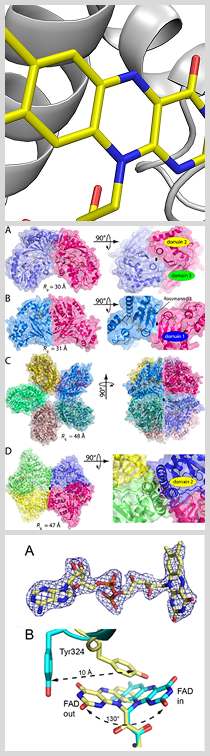
Missouri S&T’s faculty have expertise in numerous research areas of biochemistry, including the following:
- Elucidation of Enzyme Function
- Enzyme Drug Discovery
- Bioactive glass for wound healing and nerve regeneration
- Biosensing and bioimaging
- Early disease diagnosis
- Biomolecule-based drug delivery
- DNA nanotechnology
- Electrochemistry
- Microbial fuel cells (MFCs)
- Nanobiomaterials for drug delivery, cancer treatment and diagnosis
- Natural Product Biosynthesis
- Plant Metabolism and Defense
- Regenerative medicine and stem cell biology
- Xenobiotic resistance.
S&T's facilities and resources for biochemistry include rapid-reaction kinetics, high-throughput screening, protein expression and purification, biophysical techniques and collaboration with S&T's Center for Biomedical Research (CBR). Faculty investigators in the CBR have active collaboration with several institutions, including University of Missouri campuses in Columbia and Kansas City, St. Louis University, Washington University in St. Louis, and Phelps Health.
News & Updates
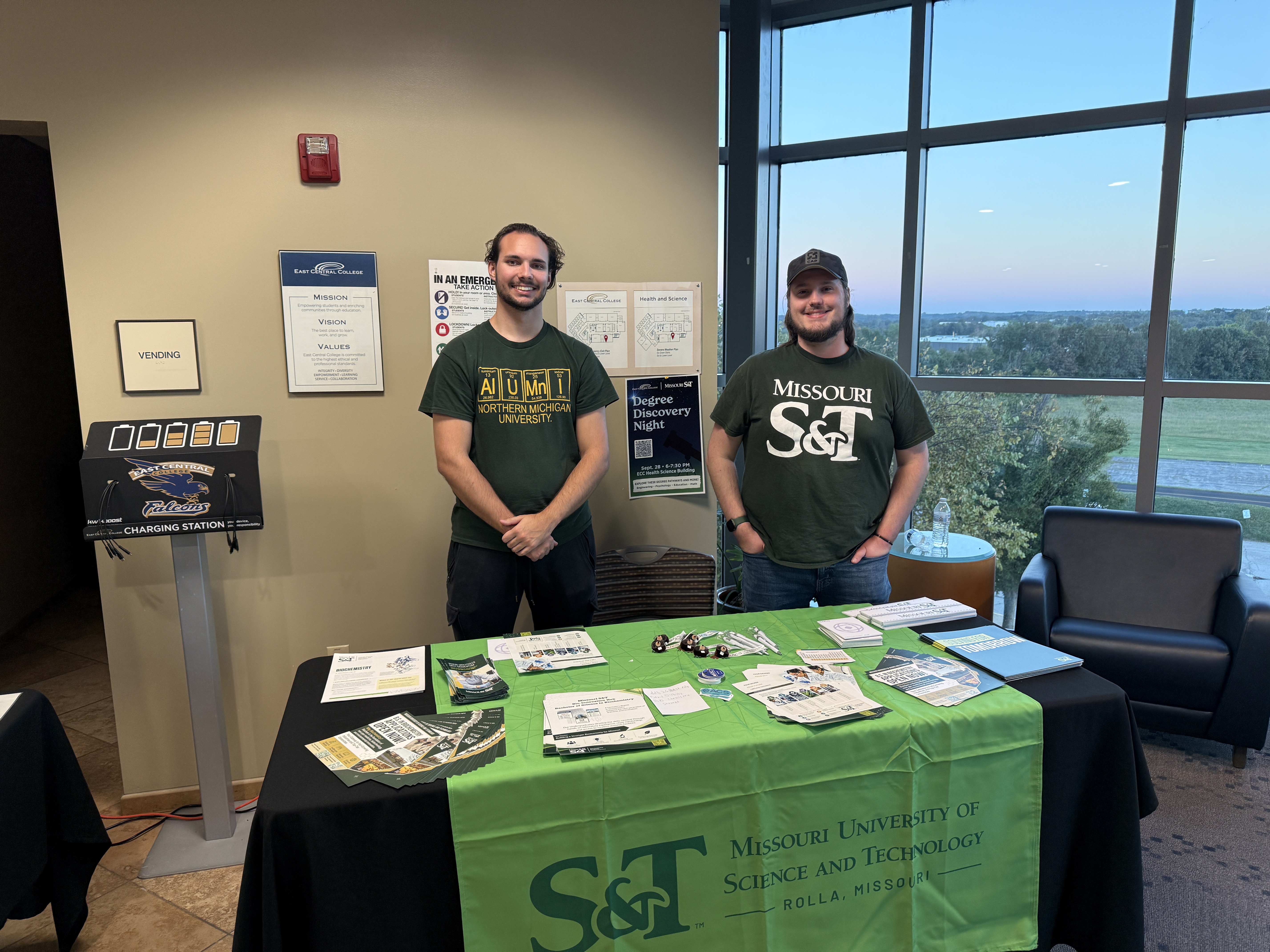
Biochemistry sparked interest of students of all ages at Degree Discovery Night at East Central College on September 28, 2026. Students and their parents explored the field and its career opportunities with Dr. Dabiri accompanied by David Dybsiz and Marshall Stoner. They shared our hands-on approach to biochemistry education with the future generations of scientists.
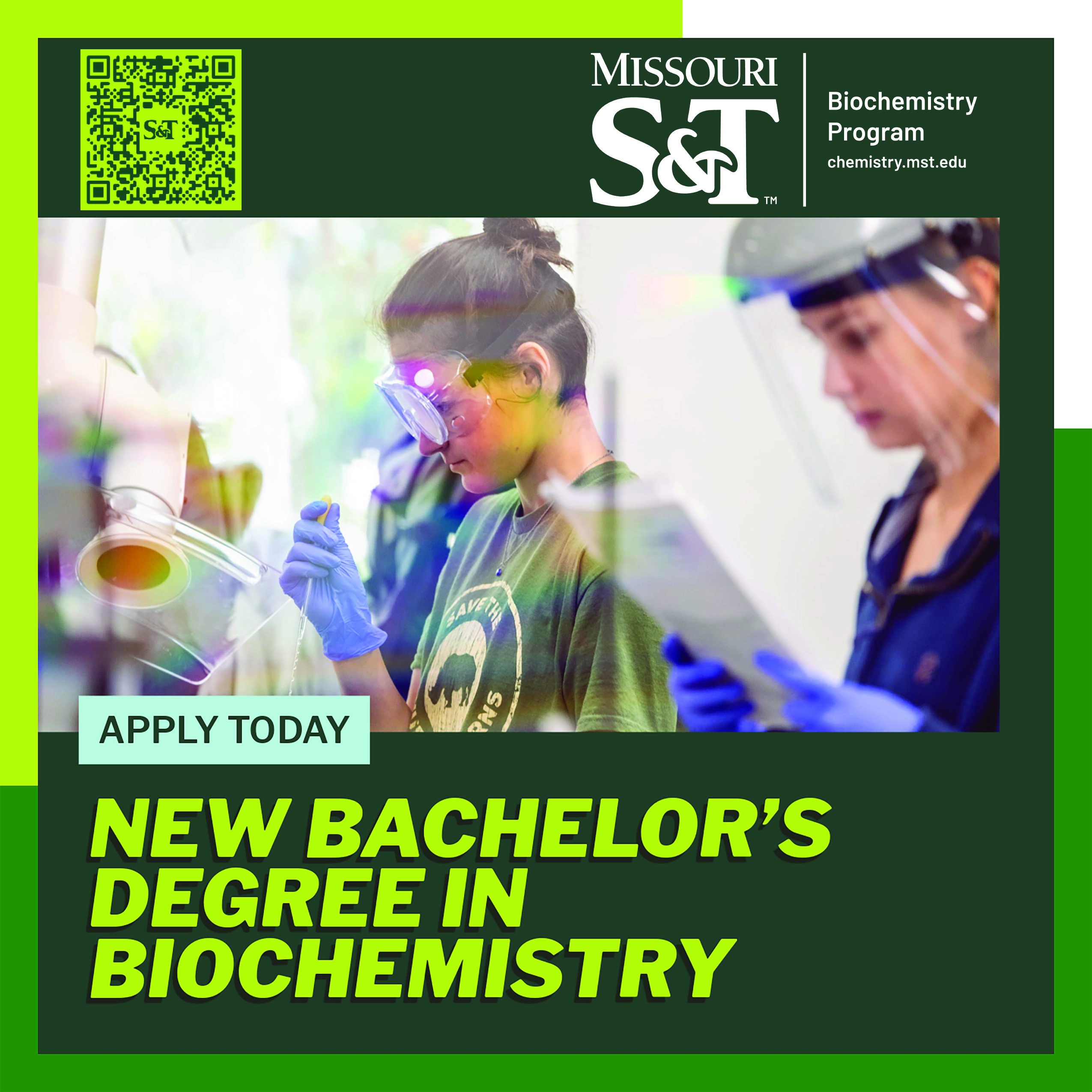
Interested in discovering how life works at the molecular level -- and using that knowledge to advance medicine, biotechnology, and human health?
Missouri S&T’s bachelor of science in biochemistry offers a pathway to do just that.
A degree in biochemistry is an excellent fit for students who enjoy chemistry, biology, and solving complex problems. It can open doors to careers in medicine, biotechnology, pharmaceuticals, and research, as well as opportunities in graduate and professional programs. Biochemistry explores the chemical processes that drive life -- from how enzymes catalyze reactions to how cells communicate, adapt, and respond to their environment. At S&T, students build a strong foundation in chemistry, biology, and mathematics while gaining hands-on research experience with faculty actively advancing scientific discovery.
Ready to learn more or apply?
Visit biochemistry program to explore the curriculum, career pathways and application information. Questions may also be directed to Dr. Pablo Sobrado, director of the biochemistry program, at psobrado@mst.edu or 573-341-4768.
Follow Chemistry